
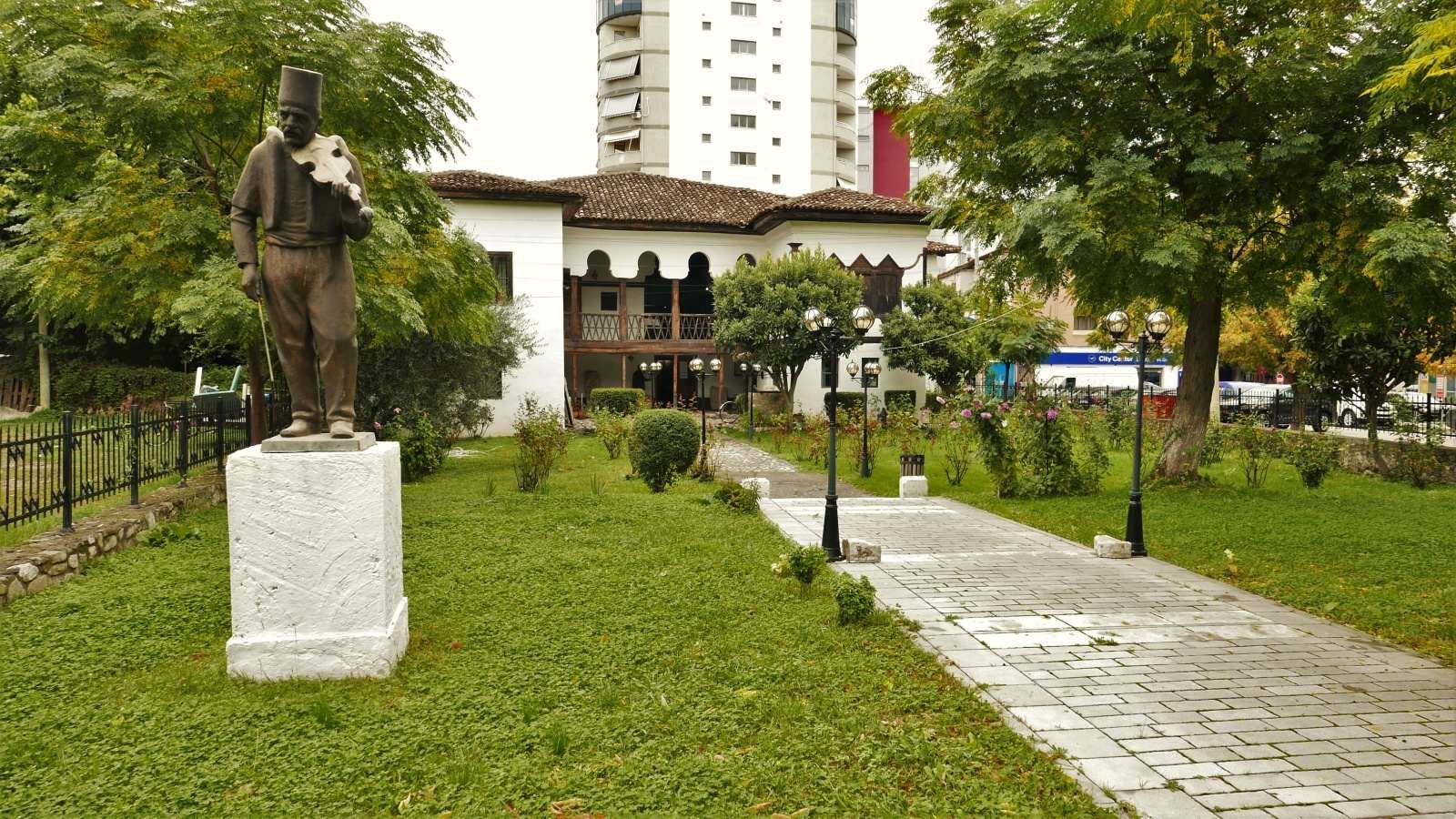
The Ethnographic Museum of Elbasan is one of the city’s most important cultural institutions, preserving and skillfully presenting the tangible and intangible heritage of the region. Located in the city center, near Bezistan Square, it represents a key stop on the cultural itinerary for visitors seeking to understand Elbasan’s traditional way of life.
The museum has been in operation since 1986, when the characteristic Sejdini family house was donated to the state and adapted into an ethnographic museum showcasing the city’s traditional lifestyle. The building, dating to the 18th century, has been designated a Category I Cultural Monument. Architecturally, it represents a distinctive example of urban houses with a çardak (open veranda), typical of the Elbasan region, while also reflecting similarities with residential architecture in Berat and Shkodër.
Before being transformed into a museum, the ground floor served as storage for agricultural products, while the upper floor functioned as the family’s living quarters. These traditional uses have been preserved and are now presented as part of the ethnographic exhibition.
In recent years, the museum has undergone a significant restoration process, including the façade, roof, veranda, and other structural elements, carefully preserving its historical identity while enhancing the visitor experience. The Ethnographic Museum displays approximately 80 types of traditional crafts, illustrating the craftsmanship, lifestyle, and economic development of Elbasan through the centuries.