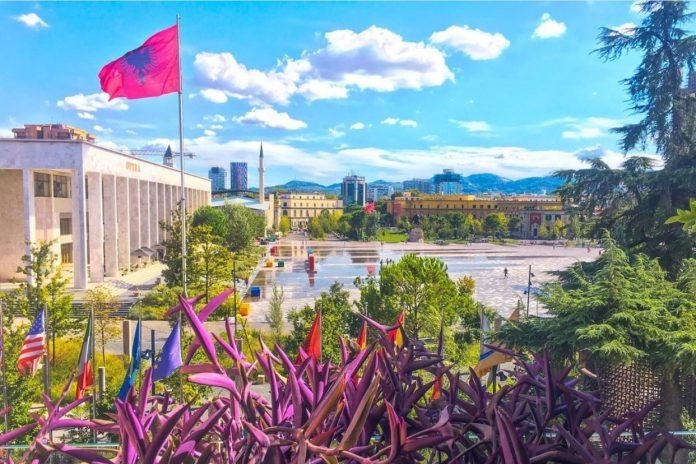
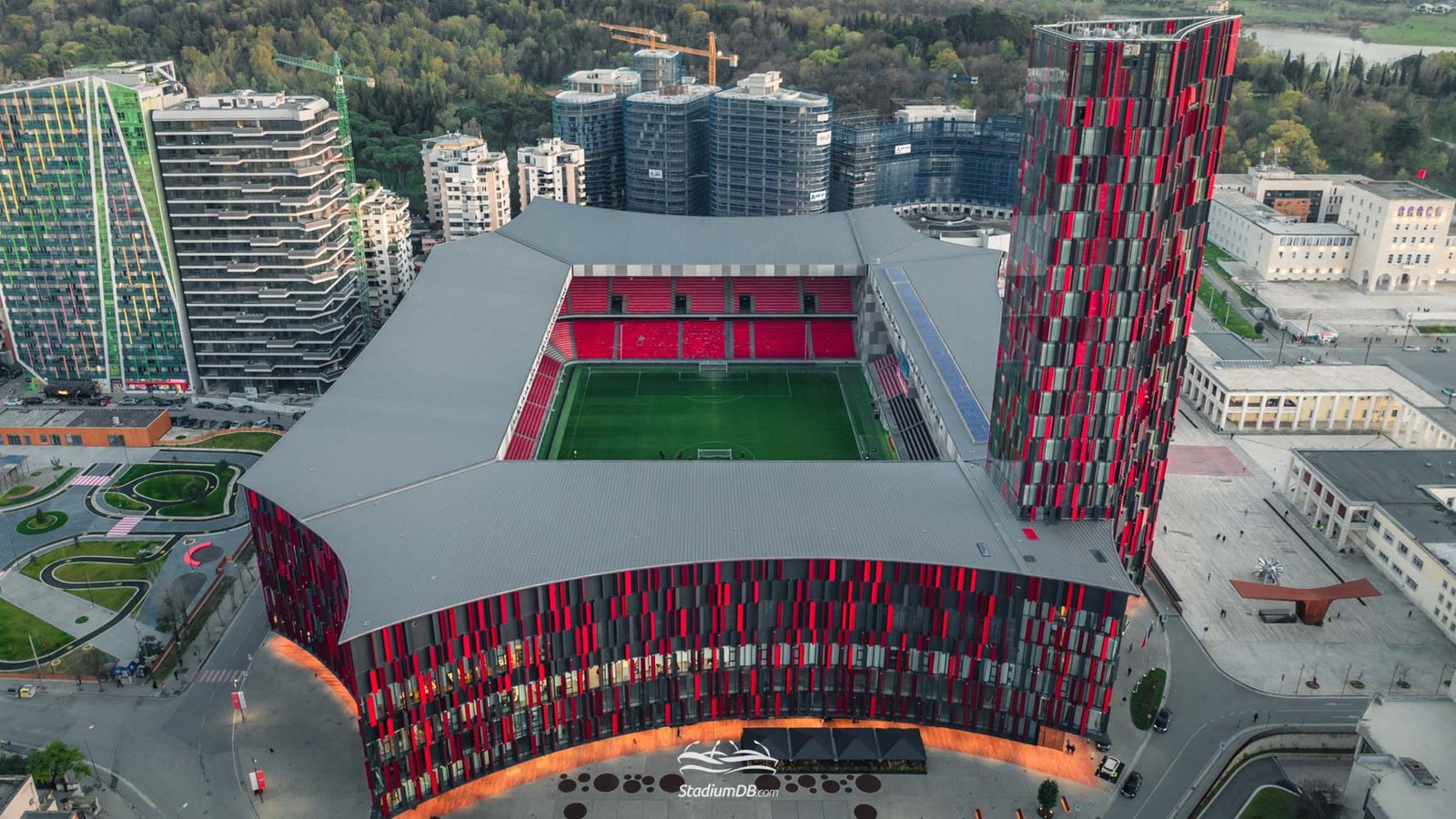
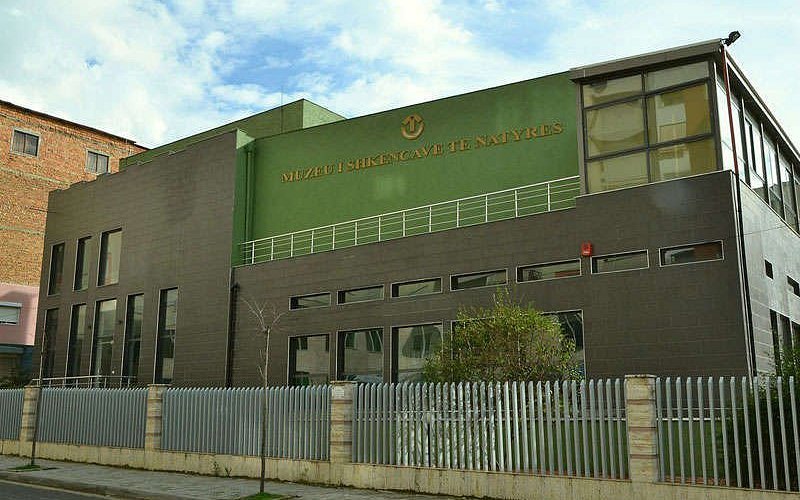
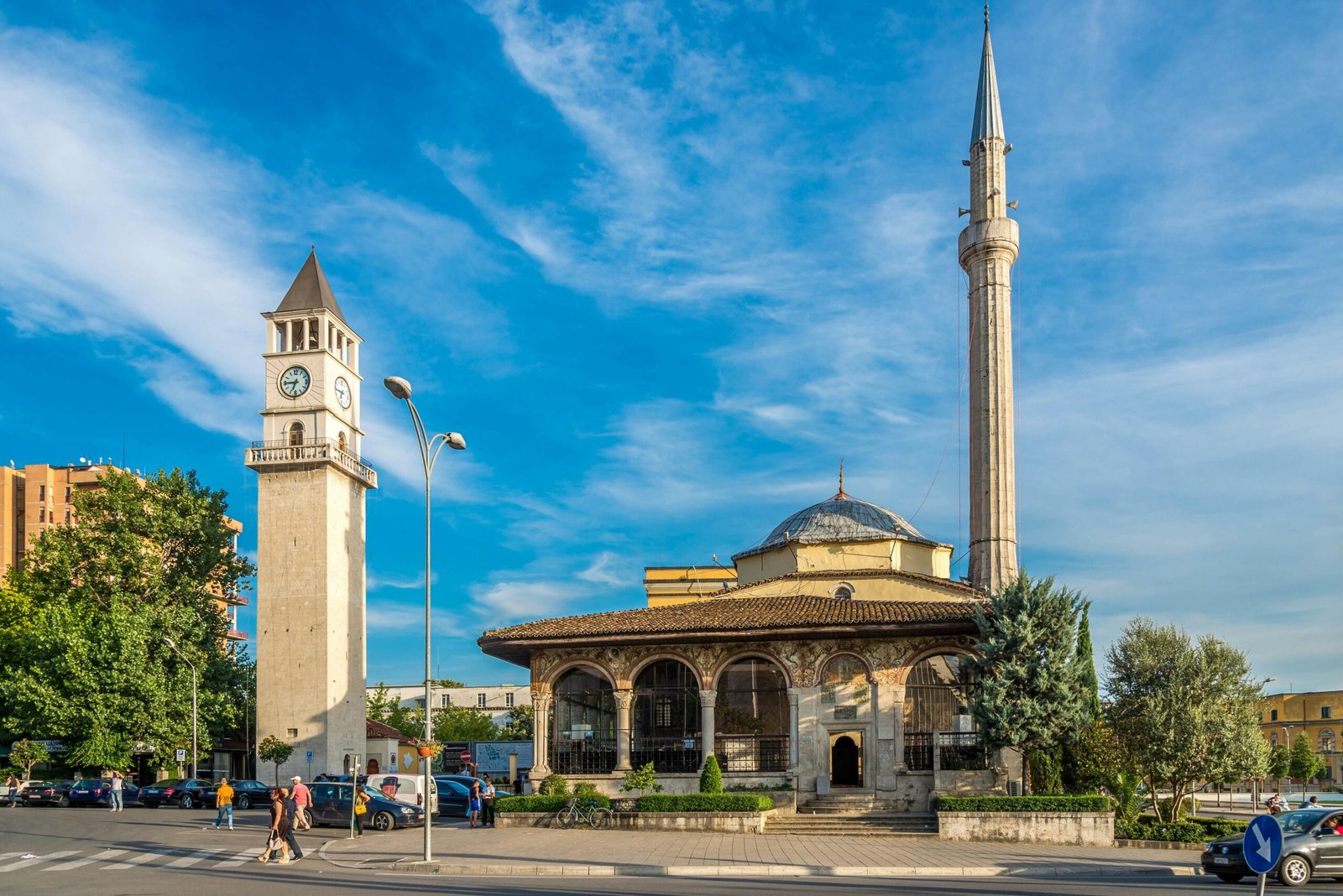
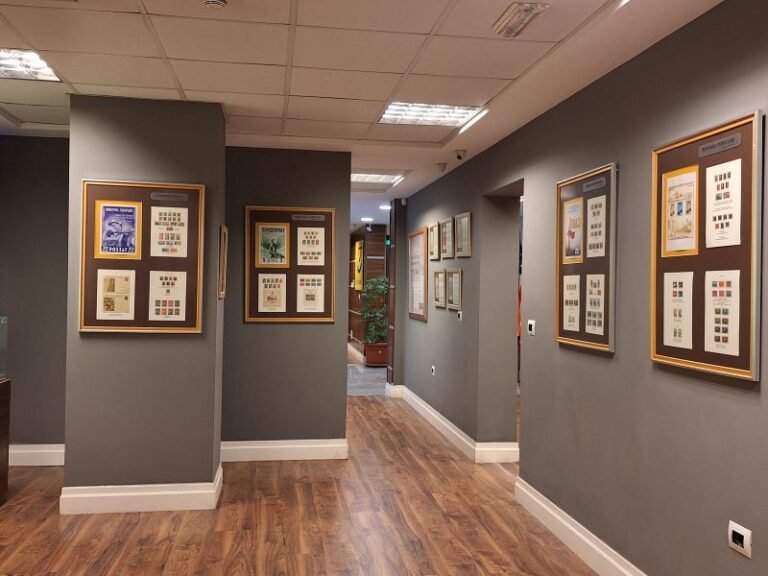
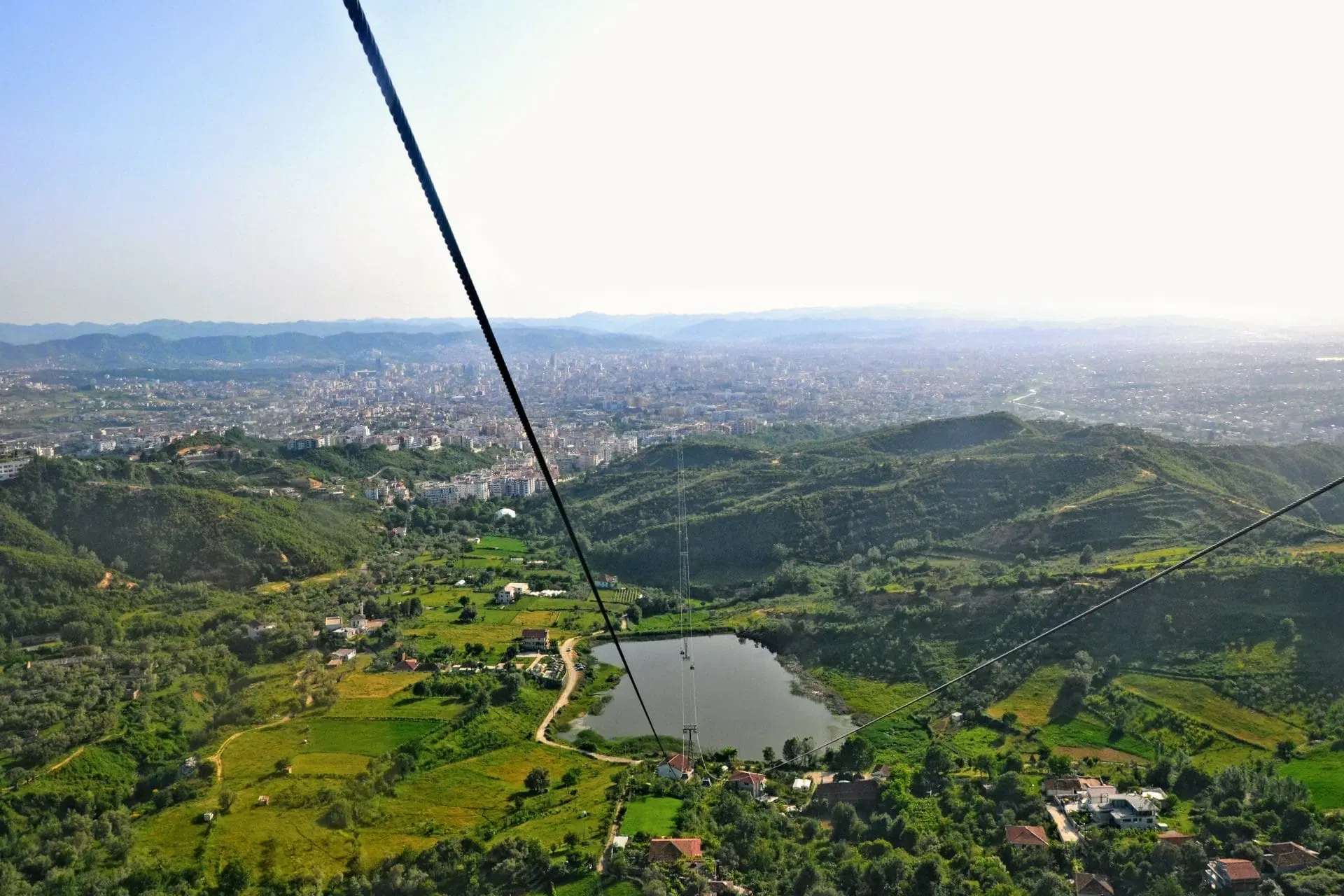
FOUNDED IN 1614 AND OFFICIALLY DESIGNATED AS THE CAPITAL IN 1920 BY THE CONGRESS OF LUSHNJË, TIRANA HAS EVOLVED INTO A DYNAMIC METROPOLIS OF NEARLY ONE MILLION RESIDENTS. TODAY, IT SERVES AS ALBANIA’S PRIMARY GATEWAY, WELCOMING VISITORS WITH ITS ENERGY, CULTURE, AND MODERN URBAN SPIRIT.
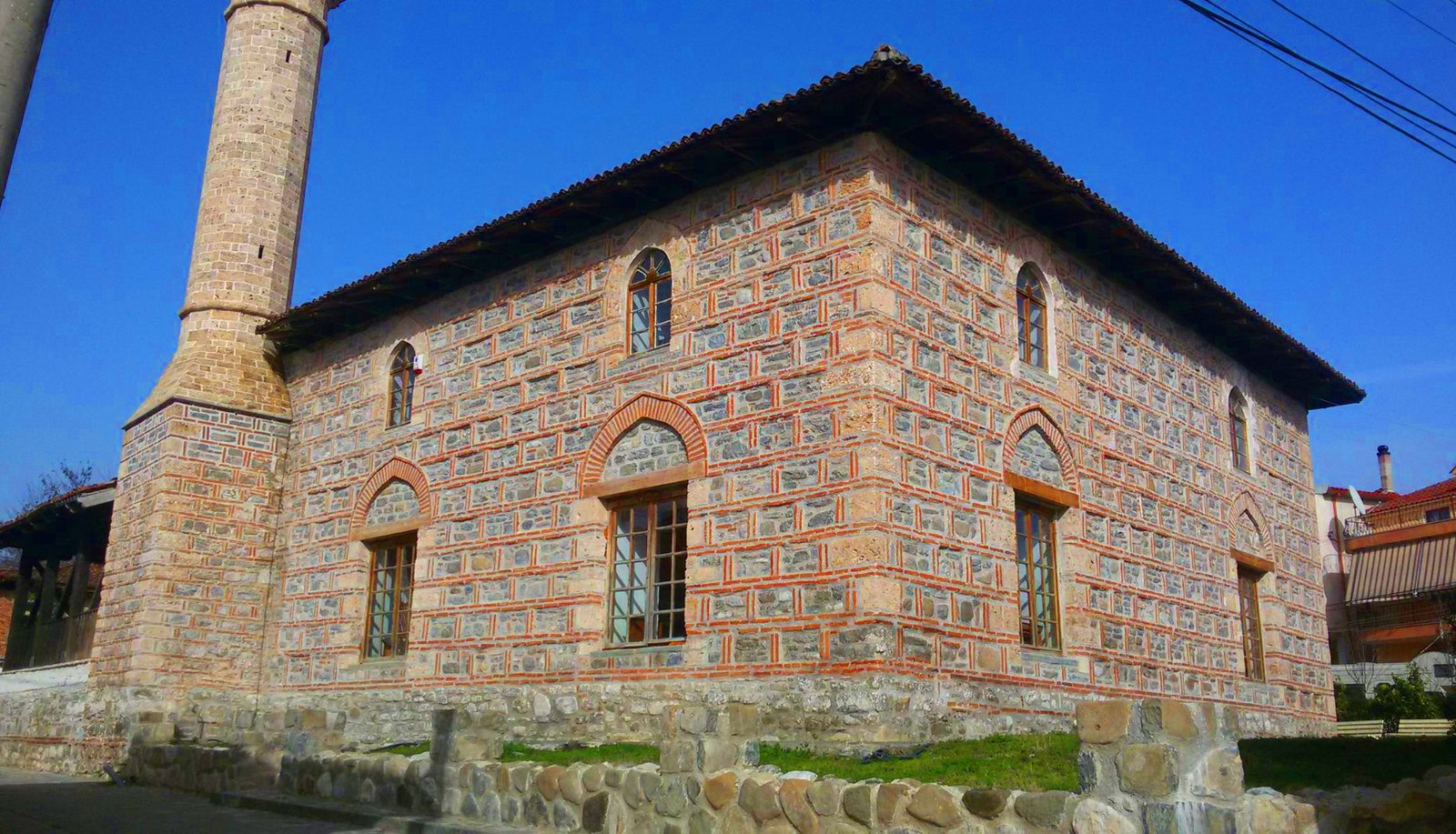
ELBASAN
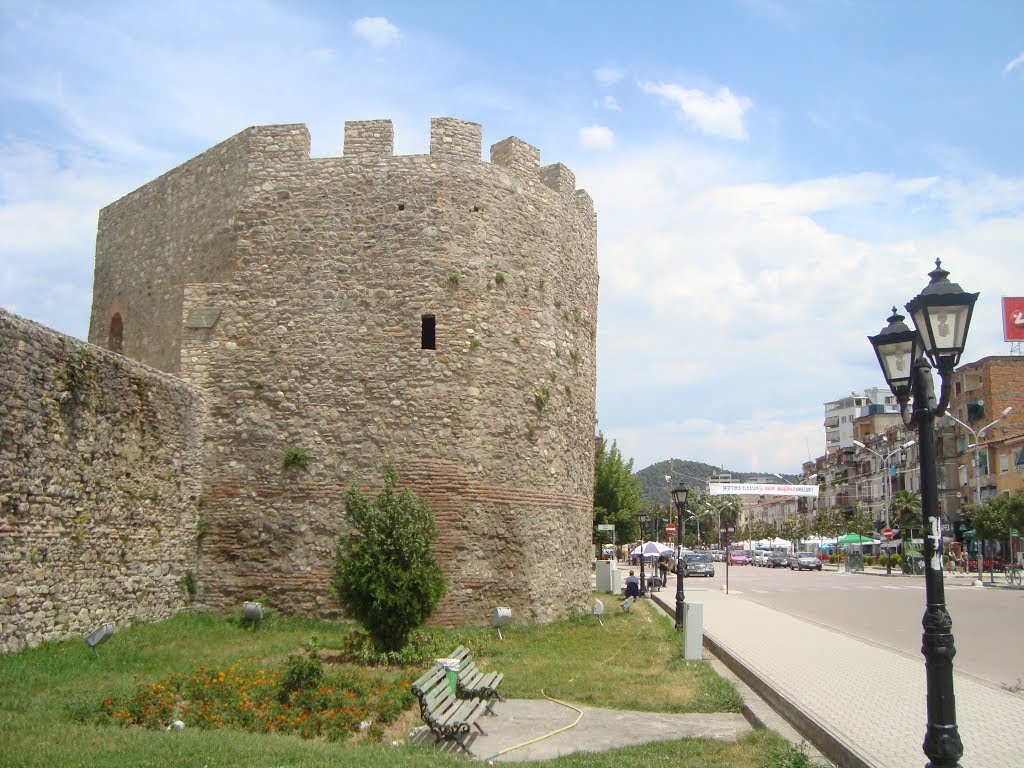
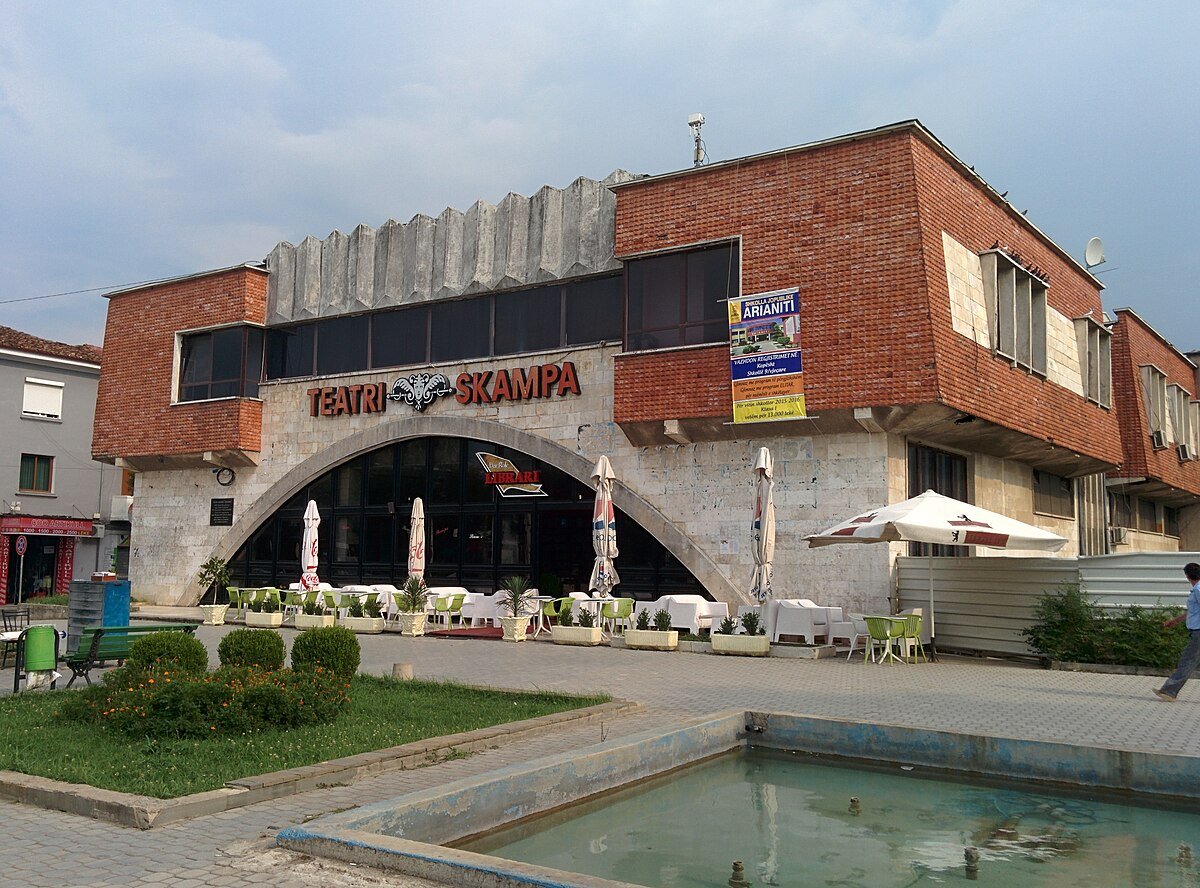
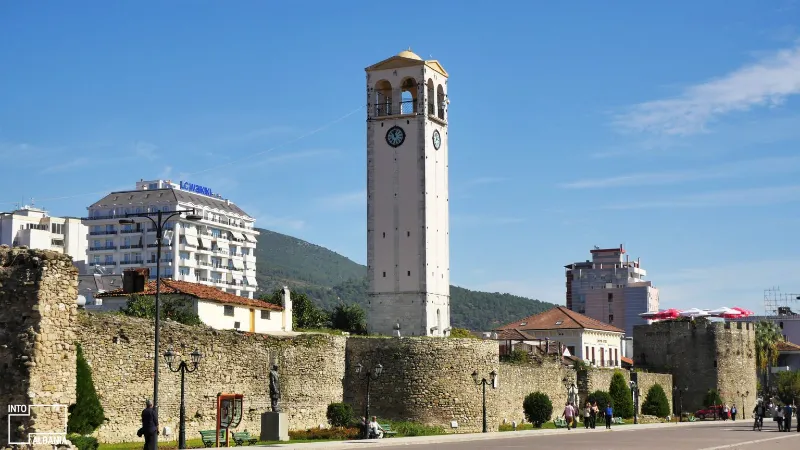
ELBASAN DATES BACK TO THE 2ND CENTURY BC, WHEN IT WAS KNOWN AS “SCAMPA” AND LATER “SCAMPINI”. ORIGINALLY AN ILLYRIAN SETTLEMENT, THE CITY DEVELOPED AT A STRATEGIC CROSSROADS LINKING NORTH TO SOUTH AND EAST TO WEST, SHAPING ITS LONG-STANDING HISTORICAL AND CULTURAL SIGNIFICANCE.
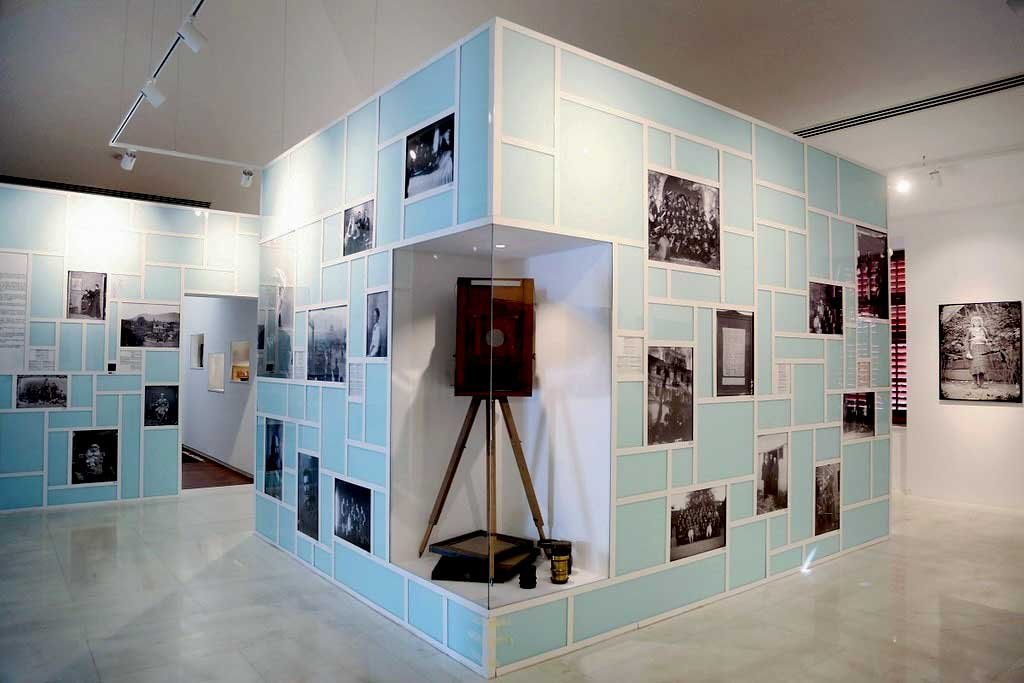
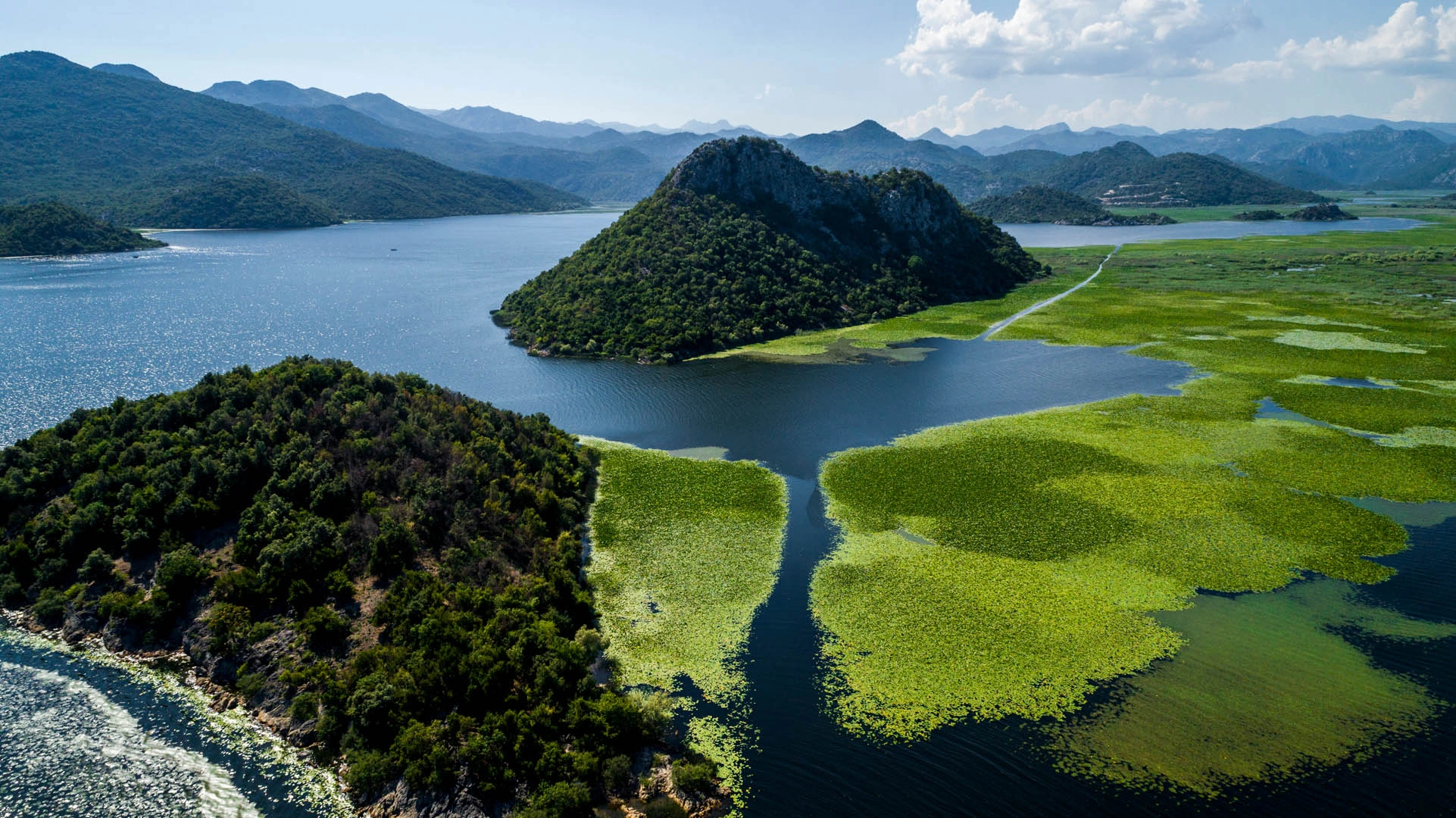
SHKODRA
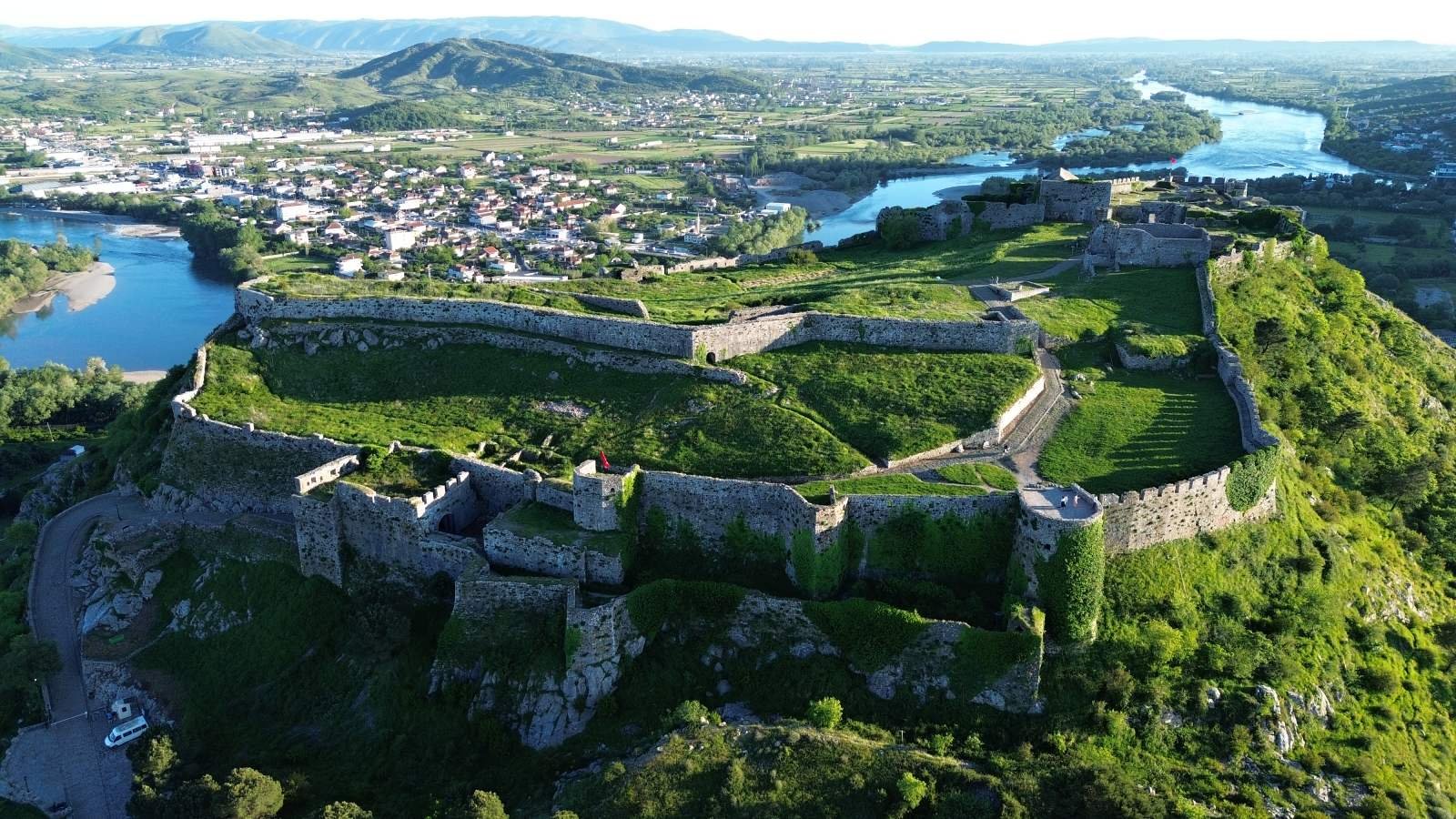
LOCATED IN NORTHWESTERN ALBANIA NEAR LAKE SHKODËR AND THE BUNA, DRIN, AND KIR RIVERS, SHKODËR HAS PLAYED A PIVOTAL ROLE THROUGHOUT THE MIDDLE AGES AND THE OTTOMAN PERIOD. ITS RICH HERITAGE AND STRATEGIC POSITION HAVE LONG MADE IT ONE OF THE COUNTRY’S MOST IMPORTANT CULTURAL CENTERS.
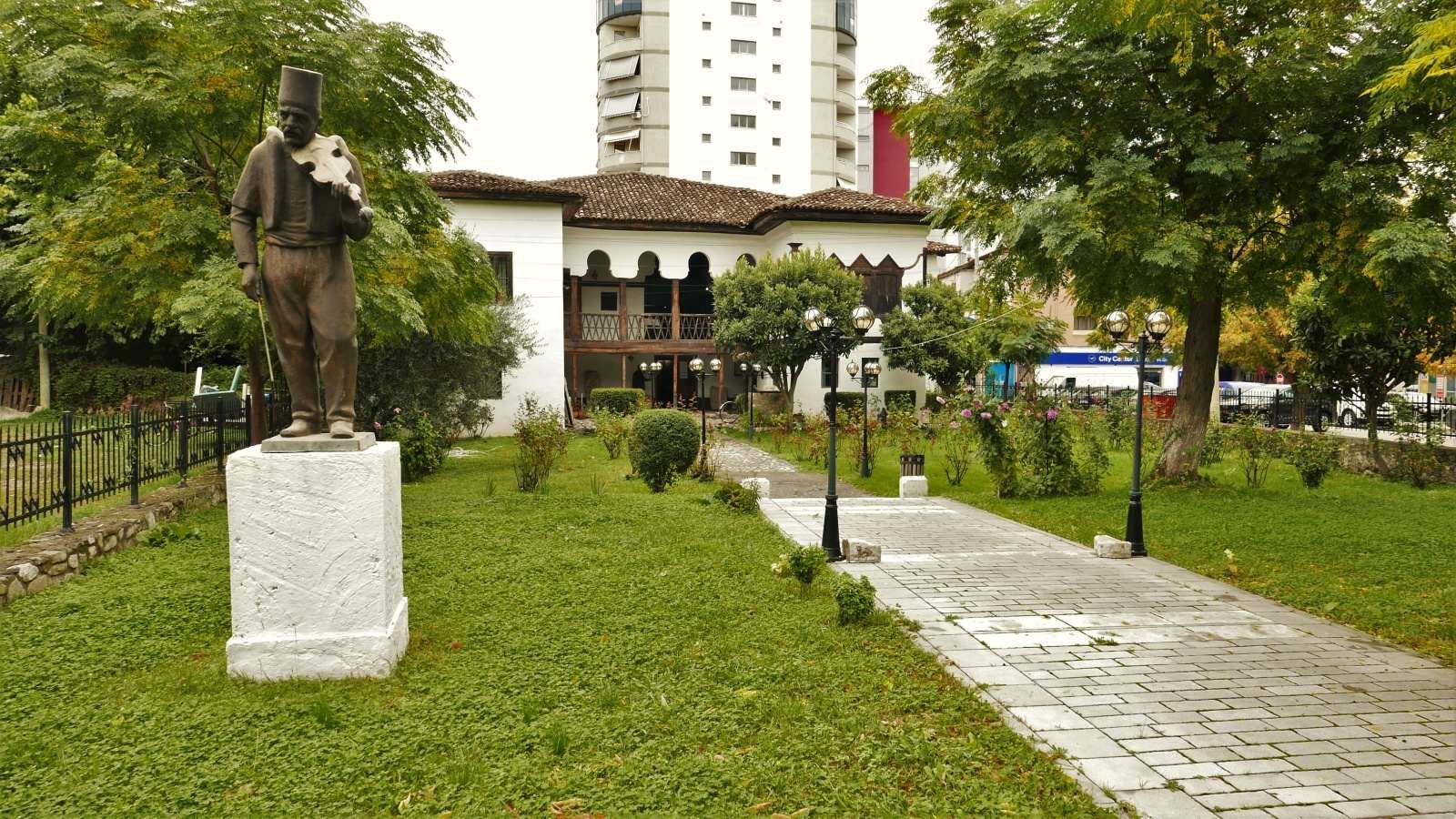
TIRANA
WELCOME TO TIRANA
Founded in 1614 and declared the capital of Albania at the Congress of Lushnjë in 1920, Tirana has grown into a vibrant metropolis of nearly one million inhabitants and serves as the country’s main point of entry for visitors.
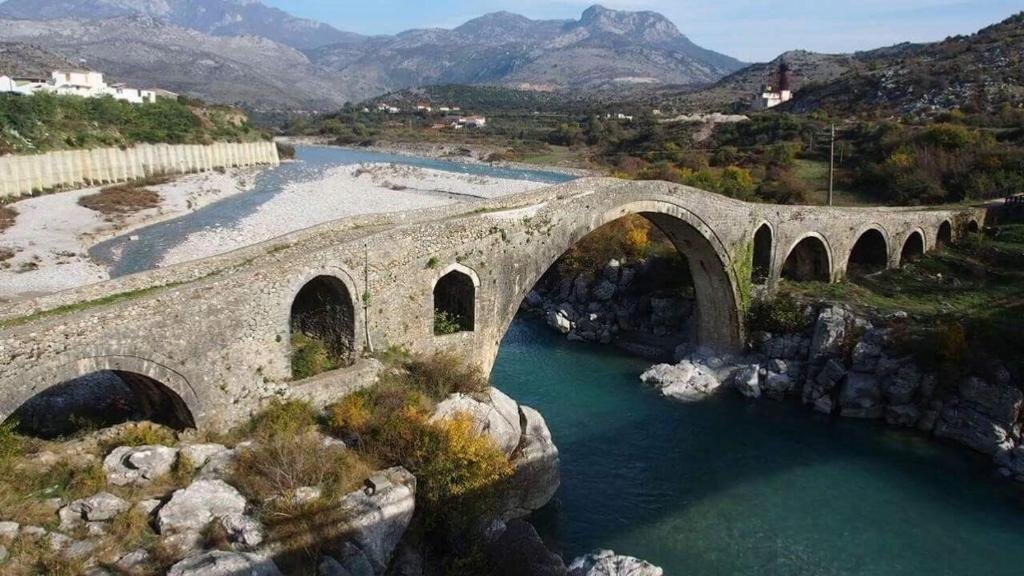
Alongside its layered history and well-known landmarks — such as Skanderbeg Square, Dajti Ekspres, the Pyramid, Bunk’Art 1 and 2, the Cloud, the Grand Park of Tirana, Tirana Castle, the Tabakëve Bridge, the Lana River, Petrela Castle, and Peza — the city also stands as the true center of Albanian football.
Tirana hosts the national stadium and several leading football clubs, making it the natural venue for major matches, fan gatherings, and football-related events.
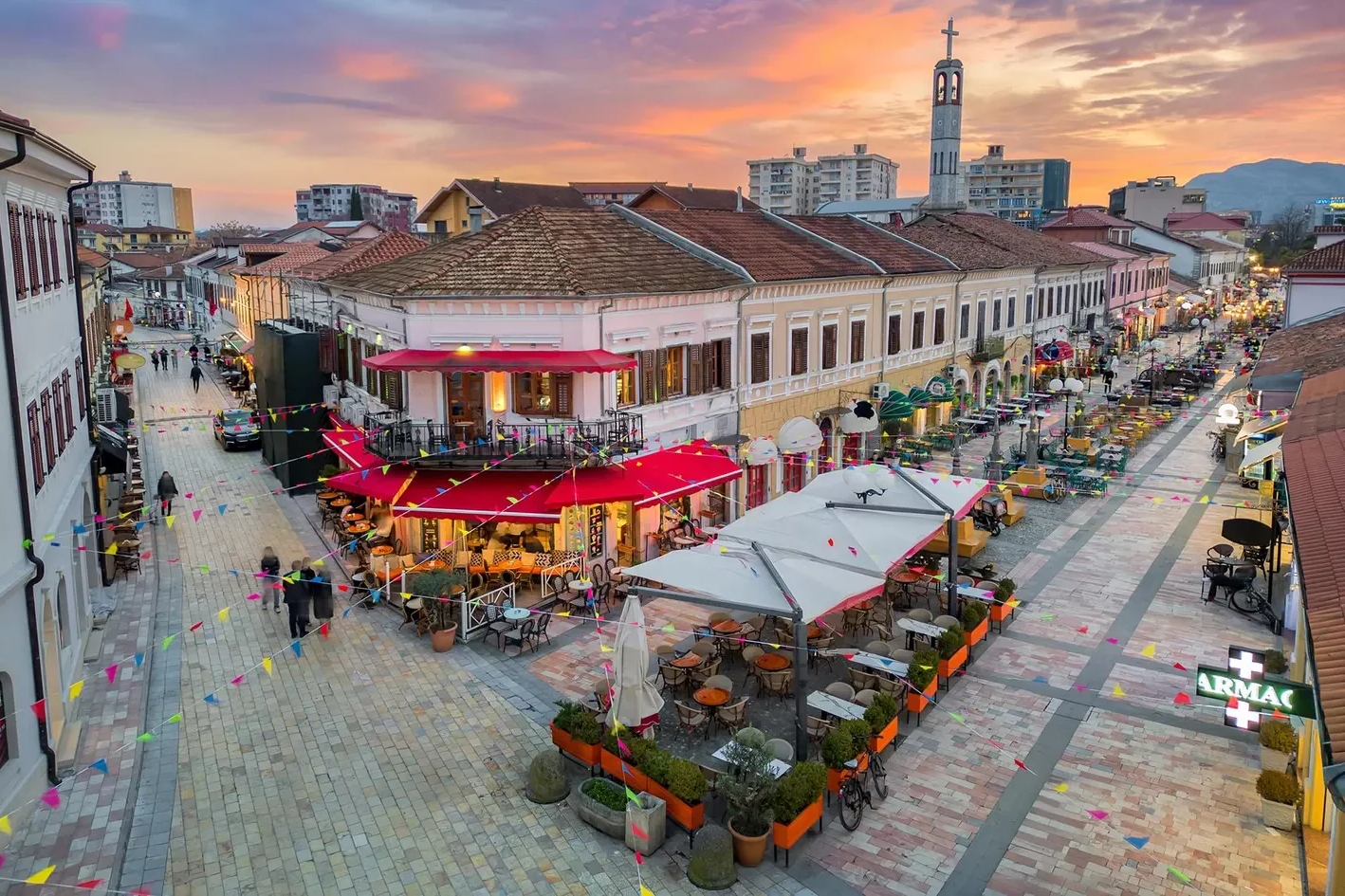
Shkodra is among the oldest cities in Albania, with origins dating back to Illyrian times and a long history as an important cultural and political center.
Situated in the northwest of the country, near Lake Shkodra and the Buna, Drin, and Kir rivers, the city played a significant role throughout the Middle Ages and the Ottoman era. Often referred to as the cradle of Albanian culture, Shkodra has a rich legacy in literature, music, and the arts. It is also widely known for its strong football tradition.
Dominated by the impressive Rozafa Castle, one of the city’s most recognizable landmarks, Shkodra is considered the birthplace of football in Albania. For generations, football has been deeply rooted in local identity, with devoted supporters and a historic club that give every match a distinctive atmosphere.
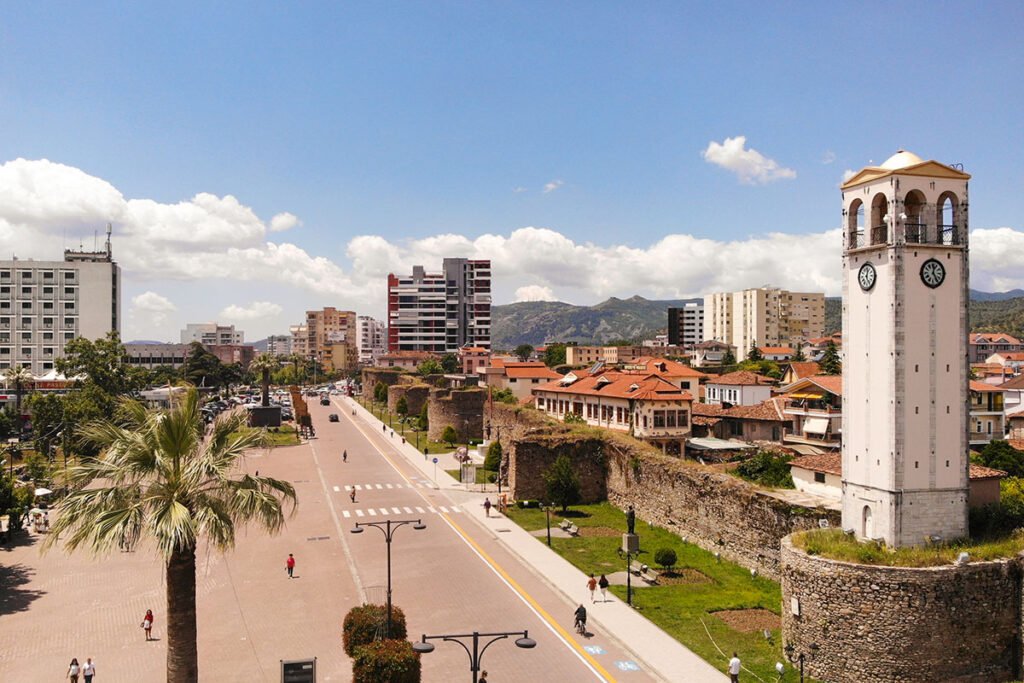
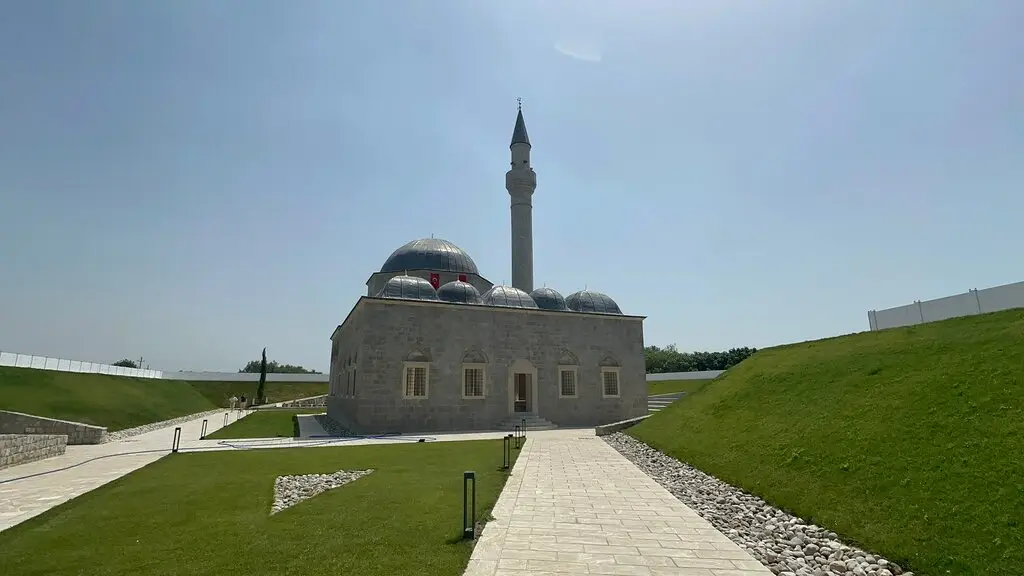
Elbasan dates back to the 2nd century BC, when it was known as “Skampa” and later “Skampini”, an Illyrian settlement strategically positioned at the crossroads of the North–South and East–West routes. Historically, the city has served as an important urban, military, and ecclesiastical center. It stretches along the right bank of the Shkumbin River, approximately 120 meters above sea level.
Today, Elbasan is widely recognized as the “capital of Summer Day”, a traditional spring festival, as well as a significant hub for football. With its modern stadium and a strong local football tradition, the city offers an ideal setting where culture, history, and passion for sport come together for visiting teams and supporters alike.